How has your aneurysm experience affected you emotionally/change your perspective?

Since finding out about my aneurysm, it has been difficult to really articulate how I feel… but the one word that I keep circling back to is “uncertainty”. But sometimes, even “uncertainty” doesn’t feel like it fully describes this journey and experience we are going through…

I was curious to hear how your aneurysm experience has affected you emotionally and changed your perspective? Do you also have feelings that are difficult to describe or that you were not expecting? How did you feel in the beginning and has that changed over time?

1 Like

After I ruptured, I had no affect for several years. The dog that saved my life had to be put down, both parents died and although I understood what was going on, I had no tears to shed, no sadness to feel. The down side of no affect is there’s no happiness either, there is definitely a change in speech patterns as one niece insisted I sounded like a robot. Without emotions, life was different. My outlook on life has never changed, live the best you can, we only get one life to live. It also helps in my opinion to not be afraid of dying, it’s a guaranteed outcome of living so why not enjoy as much as we can?

I have my emotions back now and I make sure to tell the people I love that I love them every day, it used to be just BH and I never say it as an afterthought. I’m a lot more verbal than I was before I ruptured, the stent has helped some. I like this quote “The Devil whispered in my ear: ‘You’re not strong enough to withstand the storm.’ I whispered back: ‘I am the storm.”

―Adharanand Finn,The Rise of the Ultra Runners: A Journey to the Edge of Human Endurance

3 Likes

Well, interesting question - thanks for raising it!

FWIW, I ruptured in 2023, and of course, I was not myself for the first year and a half or so, as my brain was undergoing the task of healing (complicated due to my comorbidities for sure). Absolutely it was hard for my brain to really process what had happened, and it was not easy to parse things at first. [E.g., when I woke up from the medically induced coma, a family member told me that I had an SAH, but I was having enough problems alone understanding I was in the closest big city hospital (and not my local one) for care, much less what an SAH was and that I had one. :winking_face_with_tongue: ]

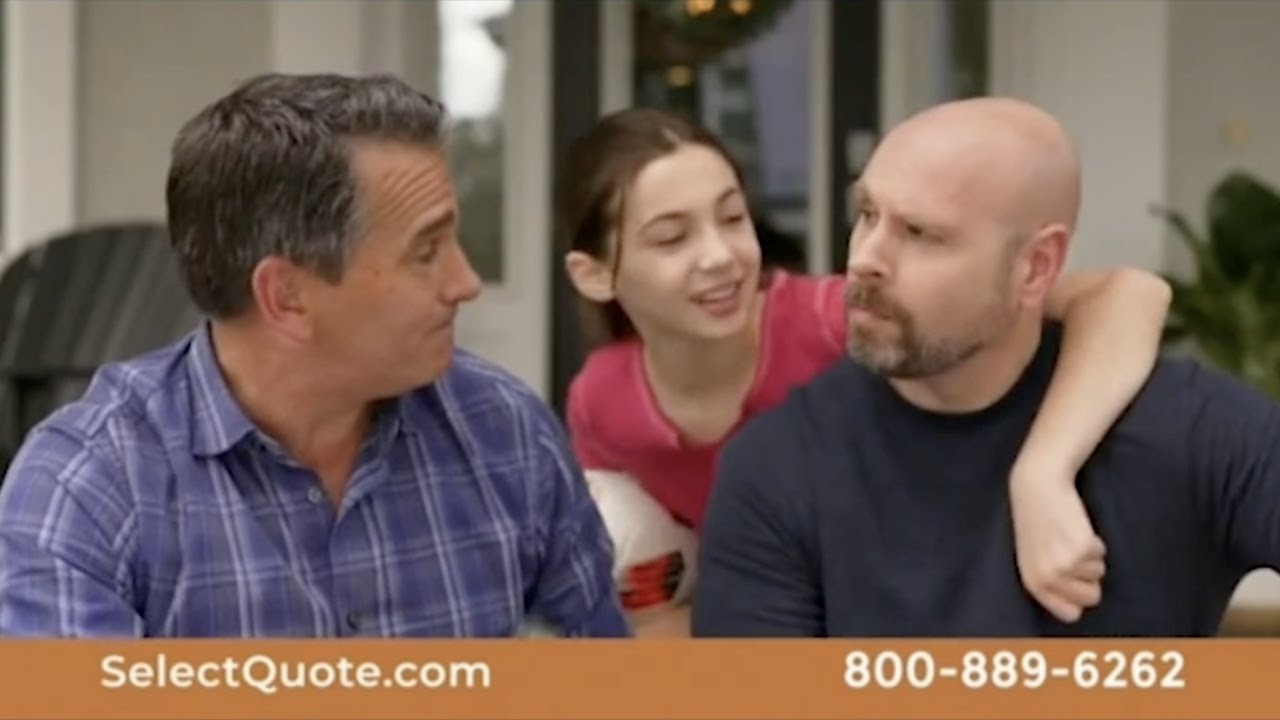
When I was in the hospital in those early days, I was watching television (I mean what else is there to do right?), and I saw this commercial (yes, I know I am linking to a commercial, but please don’t interpret this as an endorsement of the product!)

Emotionally though that is when it hit me what had happened to me, and how close I had been to the edge.

What changed me then became an overwhelming sense of gratitude. You name it, I was grateful for it: my family, my medical team (!!), the ability to breathe, the second chance at life, living at the time and place we do where diagnoses, tests and treatments are possible (!!), all those in the hospital, friends and supporters, health insurance, pharmaceutical companies, hospital beds, warm blankets, ALL of it. I was humbled to even be alive, and was just grateful for this beautiful, marvelous gift that we have been given - despite what horrible circumstances we may be undergoing.

Of course, that is a mountaintop (or I guess mountain-low) feeling, and it is not realistic to maintain that level of intensity over time. But, I still live into that gratitude daily.

I also believe I have a healthier perspective on life; not that I don’t get upset about things - I mean I am human after all - but I try not to let needless things bother me because if isn’t important, I won’t fuss over it as much. E.g., if you are tailgating me, fine, I will just move over and let you pass as it just isn’t even worth over stressing over. You do your thing and I will do mine.

I am sure that the practice of meditation/mindfulness I picked up as a result of the rupture has helped lead me to a better sense of calm - albeit I am not perfect by any means. In some ways I am grateful (there I go again) as it has helped me develop a better sense of balance, and that is a positive.

I will keep mulling as I am sure there is more emotions to voice, but they might need a little time to surface.

Fin Whale Fan :whale:

5 Likes

I ruptured 2 years ago this week and I have had a number of surgeries since. I found it really hard to accept what had happened I could best describe it as not recognising myself in my head.

I was convinced that I would be back at work very quickly and it was just a case that I needed to put the work in. I now know that it takes time for your brain to heal, you do need to put in some work but that it about just doing stuff and working on things you did before in new ways. For example, I am finally starting to be able to cook which I could not do because my brain could not cope with it. I am not back to work even now. That is something that I have found very hard to accept as I loved my job as a teacher.

Over time I am beginning to accept that things have changed significantly for me, I know I am lucky to be here at all so accepting things are different is a small price for still being here for my family. It is time to enjoy the little things in life and be grateful for those.

5 Likes

Self doubt. That is the toughest for me. Can I ….? Will I remember ….? What if ….? Have I done ….? Then I pause and watch other people. They have the same questions, thoughts, doubts—and they had no aneurysm burst. That helps remind me of perspective. We are probably more aware of our body than most. That is good, but it is wise to be cautious it does not immobilize us.
Just my thoughts at 12:41 am. :wink:

5 Likes

Before treatment, I can definitely relate to having “thought soup;" I struggled to articulate how I felt. You’re suddenly confronting your mortality while navigating a new reality, making consequential decisions, protecting loved ones, and trying to stay hopeful so those around you don’t worry. It’s everything, everywhere, all at once—and hard to describe unless you’ve experienced it.

It’s been five months since my clipping surgery, and thankfully, that fog has mostly lifted. Surviving this has made me acutely aware of what matters to me. I have significantly less tolerance for BS and stress that no longer serves me, especially at work.

5 Likes

Thank you all for sharing such honest and beautiful perspectives. Acceptance and gratitude are feelings that I have been reflecting on as well especially as of late … though at times, my feelings of uncertainty and worry can be overwhelming. But I try to remind myself that there is no such thing as a worry free life, that in life there is always a certain amount of uncertainty, and that I should live in the present rather than dwelling on the past or worrying about the future which has yet to unfold. As well, I think facing this aneurysm has been forcing me to turn inward and to truly love/prioritize/show up for myself in a way that I haven’t done before …

5 Likes

Lots of really useful thought here. I think the thing I want to add (and I have something called an AVM rather than a brain aneurysm – we have a separate community for AVM patients but I help here when @Moltroub is out of town) is that when my AVM was diagnosed — without a bleed — it absolutely shook my perception of my life. Basically, I’d taken my health for granted for fifty years and all of a sudden, there was a diagnosis that said, “unless we do a bit of brain surgery, there’s a good chance I’ll have a stroke”.

So I just want to say, if you were shaken to the core by an incidental BA diagnosis, I hear you, I’m with you.

I could actually hear blood being diverted by my AVM as it whooshed past my ears, 24h a day, and I got more poorly as the blood pressure started changing in my head, so I definitely felt on a very downward trajectory. I had to wait over 7 months from initial diagnosis to being wheeled into the interventional radiology suite, so I know what the wait and worry stage is like, and it isn’t nice.

The good news is that I had an embolization that plugged up the AVM nearly ten years ago now and I have been able to put the whole nightmare behind me, without having a bleed. Life has returned to normal. But the waiting stage? That’s very hard. It’s shocking, and nobody should feel that they’re doing it badly: it’s just hard.

Hope some of these thoughts might be useful, even if I’m a different kind of patient.

Richard

3 Likes